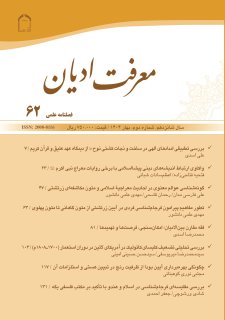
معرفت ادیان، سال 1404، جلد شانزدهم، شماره دوم، پیاپی 62، بهار, صفحهها 117-130
چگونگی بهرهبرداری آیین بودا از ظرفیت رنج در تبیین هستی و استلزامات آن
نوع مقاله:
پژوهشی
نویسندگان:
✍️ مجتبی نوری کوهبنانی / دکتری ادیان و عرفان مؤسسة آموزشی و پژوهشی امام خمینی(ره) / mojtaba_nouri_kouhbanani@iran.ir
/ دکتری ادیان و عرفان مؤسسة آموزشی و پژوهشی امام خمینی(ره) / mojtaba_nouri_kouhbanani@iran.irچکیده:
ادیان مختلفی در سراسر جهان ـ اعم از الهی و غیرالهی ـ به مقولة رنج پرداختهاند. مواجهه با این مسئله دارای جوانب مختلفی است که از منظرهای گوناگون به آن اشاره شده است. این پژوهش بهشیوة توصیفیتحلیلی به بررسی چگونگی بهرهبرداری آیین بودا از ظرفیت رنج در تبیین هستی و استلزامات آن میپردازد. در این مقاله رویکردهای مختلف آیین بودا در بهرهبرداری از ظرفیت رنج برای تبیین و توصیف جهان مطرح میشود؛ همچنین در ادامه با اشاره به استلزامات آن بیان میشود که رنج جزئی از زندگی است و برای رسیدن به آرامش و خلاصی از آن باید آن را پذیرفت، درک کرد و با آن کنار آمد. یافتههای پژوهش نشان میدهد که بهرهبرداری آیین بودا از ظرفیت رنج، بهمثابة یک ابزار مؤثر در تبیین هستی است؛ دیگر اینکه این آیین اعتقاد دارد که رنج جزء حتمی زندگی بوده و امری نسبی است. در این راستا، آیین بودا به واقعیت و ماهیت رنج میپردازد و راهکار غلبه بر رنج را شناخت عمیق از آن معرفی میکند؛ همچنین نگاه مثبت به رنج دارد و آن را مستقل از وجود انسان میداند. البته عدم پیوستگی و رابطة منطقی بین گزارههای منقول از بودا و بوداییان و همچنین تناقض، به وضوح قابل مشاهده است.
کلمات کلیدی:
Article data in English (انگلیسی)
Title:
Buddhism’s Utilization of Suffering’s Capacity in Explaining Existence and Its Implications
Abstract:
Around the world, various divine and non-divine religions have addressed different aspects of suffering from differing perspectives. This descriptive-analytical study explores how Buddhism employs the capacity of suffering to explain existence and its implications. Buddhism posits that suffering is an inherent part of life, and one must understand, accept and get along with it to achieve peace. Findings reveal that Buddhism uses suffering as a tool to describe existence, emphasizing its inevitability and relativity. Buddhism addresses the reality and nature of suffering and introduces deep understanding as the solution to overcoming suffering. It has a positive view of suffering and considers it independent of human existence. However, inconsistencies and contradictions in Buddhist teachings on suffering are evident.
References:
- Chatterjee, Satish Chandra, Datta, Dhirendra Mohan and Nazarzadeh Kermani, Farnaz (2015). Introduction to Indian Philosophical Schools. Qom: Center for Studies and Research on Religions and Sects.
- Gavahi, Abdulrahim (1995). Dictionary of Religions. Tehran: Office of Islamic Culture Publications.
- Gavahi, Abdulrahim (2011). Descriptive Dictionary of Religions. Tehran: Institute of Humanities and Cultural Studies.
- Pashaei, Askari (Undated). Invisible Eyelashes. Qom: Adyan.
- Abe, Masao (1975). Non-Being and Mu the Metaphysical Nature of Negativity in the East and the West. Religious Studies, 11(2), 181-92.
- Brown, Brian Edward (1991). The Buddha Nature: A Study of the Tathāgatagarbha and Ālayavijñāna. Vol. 11. Motilal Banarsidass Publ.
- Carpenter, Amber (2017). Ethics without Justice.
- Chen, Gila (2010). The Meaning of Suffering in Drug Addiction and Recovery from the Perspective of Existentialism, Buddhism and the 12-Step Program. Journal of Psychoactive Drugs, 42(3), 363-75.
- Chen, Yu-Hsi (2006). Coping with Suffering: The Buddhist Perspective. Handbook of Multicultural Perspectives on Stress and Coping, 73-89.
- chushogiplayer (2023). Exploring the Intersection of Anarchism and Buddhist Ontology. March 12, 2023. https://libcom-org.translate.goog/article/exploring-intersection-anarchism-and-buddhist-ontology?
- Dinh, Kathryn, Heather Worth, and Bridget Haire (2019). Buddhist Evaluation: Applying a Buddhist World View to the Most Significant Change Technique. Evaluation, 25(4), 477-95.
- Gäb, Sebastian (2015). Why Do We Suffer? Buddhism and the Problem of Evil: Buddhism and the Problem of Evil. Philosophy Compass, 10(5), 345-53.
- Garfield, Jay L. (1994). Dependent Arising and the Emptiness of Emptiness: Why Did Nāgārjuna Start with Causation? Philosophy East and West, 219-50.
- Gokhale, Pradeep P. (2021). Buddhist Approaches to Impermanence: Phenomenal and Naumenal. Religions, 12(12), 1081.
- Keown, Damien (2004). A Dictionary of Buddhism. OUP Oxford.
- Kumar, Sameet M. (2002). An Introduction to Buddhism for the Cognitive-Behavioral Therapist. Cognitive and Behavioral Practice, 9(1), 40-43.
- Lehe, Robert T. (2019). Masao Abe and the Problem of Evil in Buddhism and Christianity. Buddhist-Christian Studies, 39(1), 217-26.
- Lewis Hall, M. Elizabeth, and Peter Hill (2019). Meaning-Making, Suffering, and Religion: A Worldview Conception. Mental Health, Religion & Culture, 22(5), 467-79.
- Macy, Joanna (1991). Mutual Causality in Buddhism and General Systems Theory: The Dharma of Natural Systems. Suny Press.
- Macy, Joanna Rogers (1978). Interdependence: Mutual Causality in Early Buddhist Teachings and General Systems Theory. Syracuse University.
- Maung, Phone Myint. (n.d.). Will and Desire: Suffering in Buddhism and Augustinian Christianity.
- Palihawadana, Mahinda, and John Ross Carter (2000). The Dhammapada (Oxford World’s Classics). Oxford University Press.
- Peacock, John (2008). Suffering in Mind: The Aetiology of Suffering in Early Buddhism. Contemporary Buddhism, 9(2), 209-26.
- Piper, John (2006). Suffering and the Sovereignty of God: Ten Aspects of God’s Sovereignty over Suffering and Satan’s Hand in It.
- Quyet, Nguyen Thi, Pham Thi Lan, and Nguyen Thi Phuong (2022). The Four Noble Truths an Integrative Buddhist Philosophy of Life. European Journal of Science and Theology, 18(6), 47-63.
- Siderits, Mark (2021). Buddhism as Philosophy. Hackett Publishing.
- Siderits, Mark (2021). How Things Are: An Introduction to Buddhist Metaphysics. Oxford University Press.
- Sion, Avi (2017). Logical Criticism of Buddhist Doctrines.
- Sutton, Florin G. (1991). Existence and Enlightenment in the Lankavatara-Sutra: A Study in the Ontology and the Epistemology of the Yogacara School of Mahayana Buddhism. State University of New York Press.
- Thera, Piyadassi, and Jayatilaka (1972). The Psychological Aspect of Buddhism. Buddhist Publication Society.
- Thondup, Tulku (1998). The Healing Power of Mind: Simple Meditation Exercises for Health, Well-Being, and Enlightenment. Shambhala Publications.
- What Are the Four Noble Truths? n.d. Buddhism for Beginners. Accessed April 29, 2023. https://tricycle.org/beginners/buddhism/four-noble-truths/.
- What Did the Buddha Mean by Suffering? n.d. Buddhism for Beginners. Accessed April 29, 2023. https://tricycle.org/beginners/buddhism/what-did-the-buddha-mean-by-suffering/.
References:
- پاشایی، عسکری (بیتا). مژههای نادیدنی. قم: ادیان.
- چاترجی، ساتیش چاندرا، داتا، دیندراموهان و ناظرزاده کرمانی، فرناز (۱۳۹۴). معرفی مکتب های فلسفی هند. قم: مرکز مطالعات و تحقیقات ادیان و مذاهب.
- گواهی، عبدالرحیم (۱۳۷۴). واژهنامة ادیان. تهران: دفتر نشر فرهنگ اسلامی.
- گواهی، عبدالرحیم (۱۳۹۰). فرهنگ توصیفی ادیان. تهران: پژوهشگاه علوم انسانی و مطالعات فرهنگی.
Copyright © 2025 The Author(s). This article is published under the Creative Commons Attribution-NonCommercial 4.0 International License.
شیوه ارجاع به این مقاله:
RIS
Mendeley
BibTeX
APA
MLA
HARVARD
VANCOUVER
نوری کوهبنانی، مجتبی. (1404) چگونگی بهرهبرداری آیین بودا از ظرفیت رنج در تبیین هستی و استلزامات آن. فصلنامه معرفت ادیان، 16(2)، 117-130 https://doi.org/10.22034/marefateadyan.2025.5000935.
مجتبی نوری کوهبنانی."چگونگی بهرهبرداری آیین بودا از ظرفیت رنج در تبیین هستی و استلزامات آن". فصلنامه معرفت ادیان، 16، 2، 1404، 117-130
نوری کوهبنانی، مجتبی.(1404) 'چگونگی بهرهبرداری آیین بودا از ظرفیت رنج در تبیین هستی و استلزامات آن'، فصلنامه معرفت ادیان، 16(2), pp. 117-130